
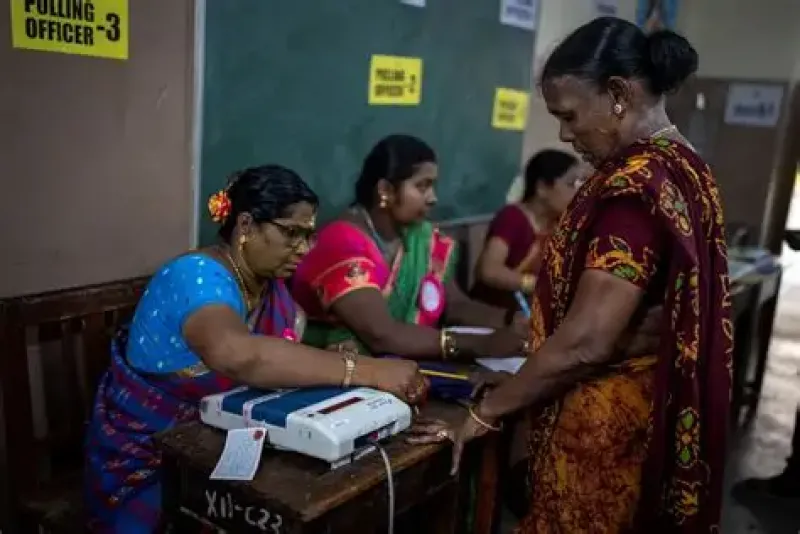
The debate regarding simultaneous elections, commonly known as “One Nation, One Election,” gained attention again in 2026 as policymakers discussed its constitutional, administrative, and financial implications.
Supporters argue that simultaneous elections would reduce election expenditure, minimize governance disruption, and improve policy continuity. Critics, however, believe that India’s federal structure and political diversity make synchronized elections difficult.
Conducting simultaneous elections would require constitutional amendments and coordination between Parliament and state legislatures. The Election Commission of India has also highlighted logistical and administrative challenges.
The issue remains politically significant because elections are held frequently across different states, affecting governance and public expenditure.
Key Points to Remember:
1. “One Nation, One Election” refers to simultaneous polls.
2. Requires constitutional and legal changes.
3. Debate involves governance efficiency and federalism.